- Call us: + 84 832 126 699
4.9 stars on our site
(10,000 reviews)
- Monday - Sunday : 08:00 - 17:00
(10,000 reviews)

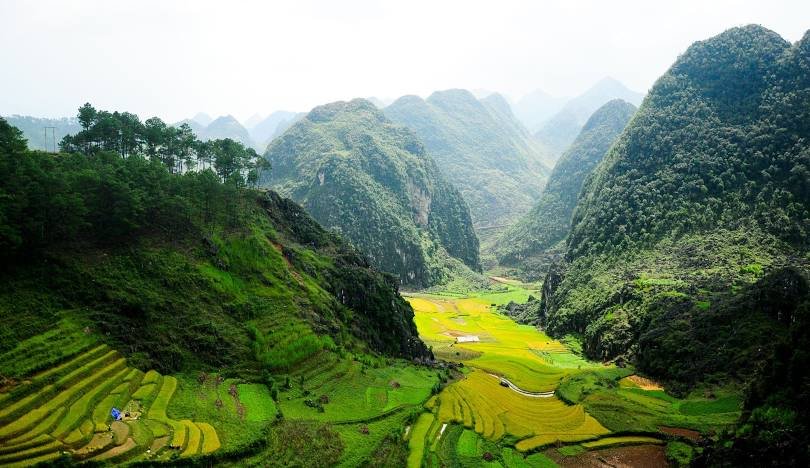
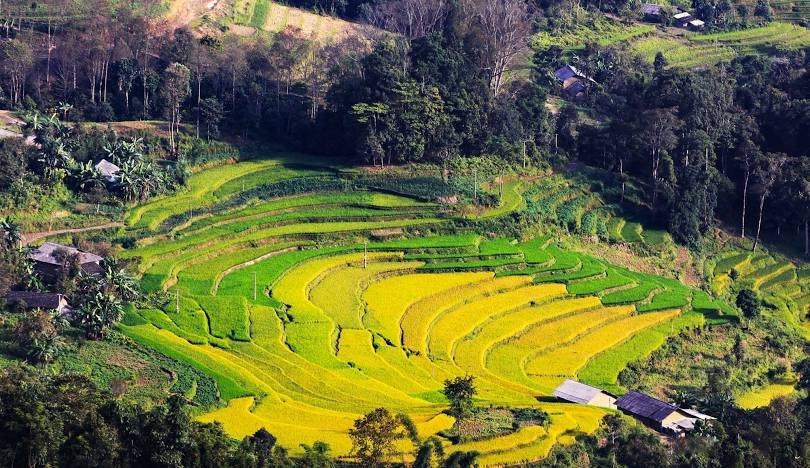
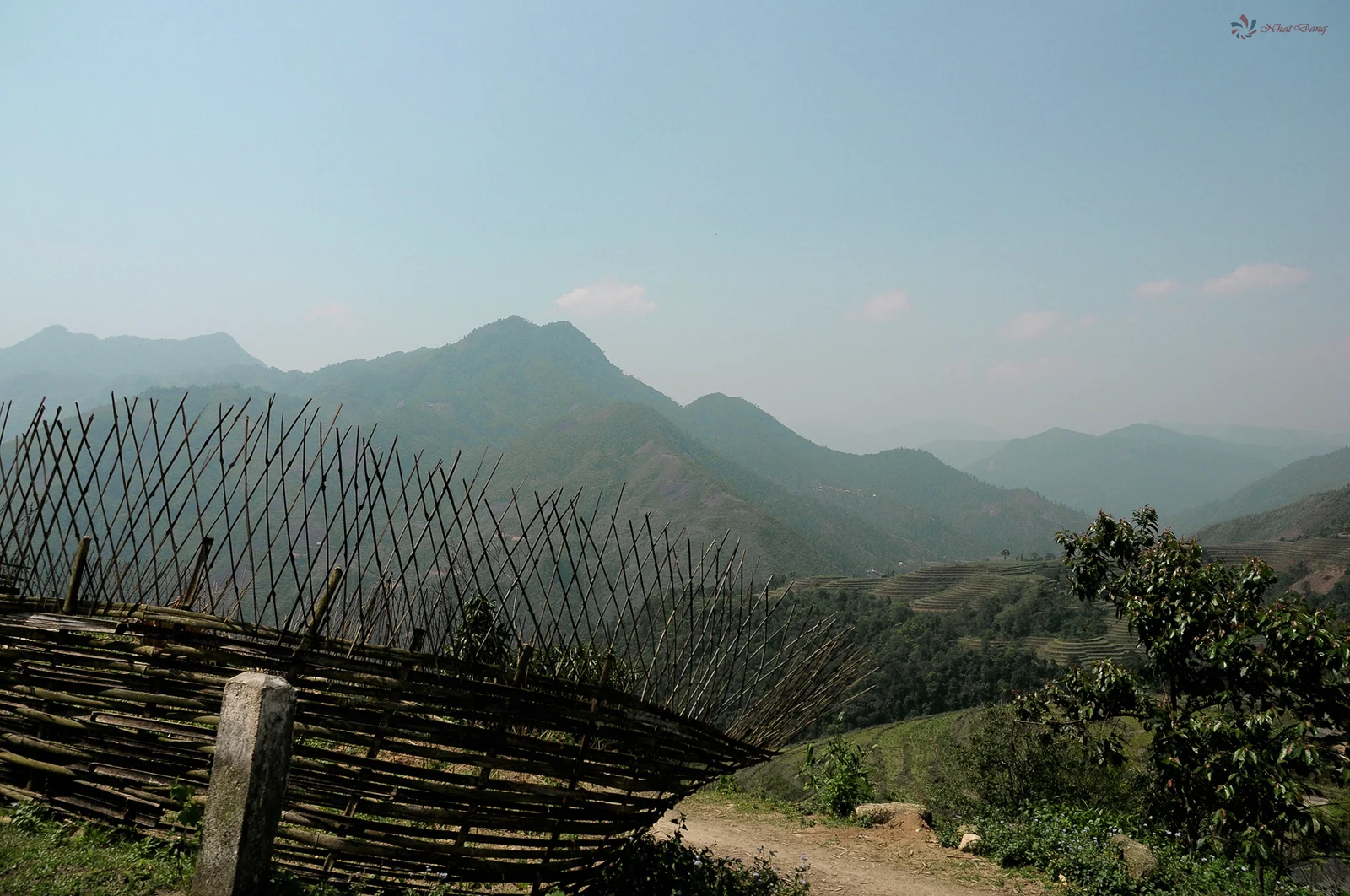
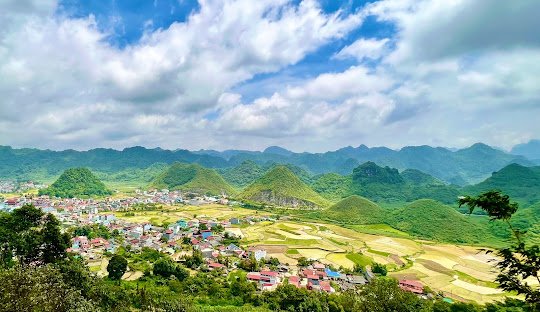
One of the most iconic images of Vietnam in the heads of foreign travellers is that of verdant green or golden yellow rice fields as far as the eye can see. While this might be a common sight throughout the country, there is no better place to see this kind of scenery than Hoang Su Phi, renowned for the incredible amount of rice produced there every year, which leads to some truly stunning vistas of green and gold if you visit at the right time of year. The area is primarily home to the H’mong, Nung and Dao ethnic groups, and you can visit many different villages belonging to them.
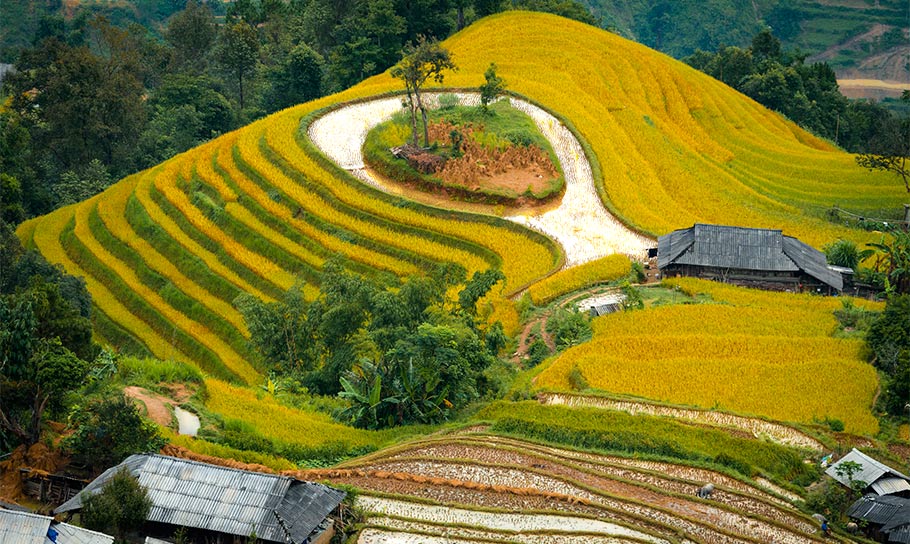
The best time to visit is either September-October, at which time the fields will be almost ready for harvest and a deep golden brown, or around March, which is planting season and the fields will be a stunning verdant green. The rice fields are of course beautiful year round, but it is during these times that their beauty reaches their maximum levels.
There are three specific areas within Hoang Su Phi where the rice fields are especially amazing. In the far north of the district is the area around Phung Village, close to the border with China. Besides the rice fields here, there is also a cemetery for 24 western soldiers who died in a plane crash here in 1947. The locals of the area, wanting to show the unfortunate soldiers respect, set aside the land for their burial, to help them find peace.
Next is the area around Ban Luoc Village, inhabited by the Dao. This is the largest of the three collections of fields, and on the 15th day of the 7th lunar month, the locals celebrate a temple festival.
The third area is in the southeast part of the district, and surrounds the villages of Nam Ty and Thong Nguyen. Near this area is also Phin Ho Village, which is famous for its production of tea, as well as the several centuries old tea trees in the village, the oldest said to be over 400 years old! The people living here are Dao, and if you’re here in January you may be able to take part in the annual Fire Dancing festival that is part of their culture.
Not far from Phin Ho is Pan Hou Ecolodge, which is a project that intends to showcase the natural beauty of the region while at the same time working hard to protect it from exploitation and overdevelopment.
.jpg "Hiking North Vietnam 8 Day Itinerary")
★★★★★
(0)
8 Days
Ha Giang Hiking Tours , Sapa Hiking Tours , Bac Ha Hiking Tours
Hiking North Vietnam 8 Day Itinerary
.jpg "Hiking North Vietnam Tour 8 Days")
★★★★★
(0)
8 Days
Ha Giang Hiking Tours , Sapa Hiking Tours , Bac Ha Hiking Tours
Hiking North Vietnam Tour 8 Days
.jpg "Hiking Northern Vietnam 7 Day Itinerary Bac Ha to Ha Giang")
★★★★★
(0)
7 Days
Ha Giang Hiking Tours , Hoang Su Phi Hiking Tours , Trekking North West & North East Vietnam
Hiking Northern Vietnam 7 Day Itinerary Bac Ha to Ha Giang
On the opposite end of the district, in the north-eastern reaches, lies the tallest mountain in Ha Giang; Tay Con Linh. Rising to a height of 2427 meters above sea level, it is slightly shorter than Fansipan over in Sapa, but the trek to the summit is far more challenging, making it a better mountain for experienced climbers and travellers looking for a physical challenge.
Leave a Reply
Your email address will not be published. Required fields are marked *